

patterned glass price
Replacing a Water Valve A Step-by-Step Guide Water valves are essential components in your home's plumbing system, controlling the flow of water to various fixtures and appliances. Over time, these valves can wear out, leak, or become damaged, necessitating replacement to ensure the efficiency and safety of your plumbing. Here, we provide a comprehensive guide on replacing a water valve, including the different types of valves, tools required, and step-by-step instructions. Types of Water Valves Before diving into the replacement process, it’s essential to understand the various types of water valves you might encounter 1. Gate Valve Typically used for on/off control, gate valves enable full flow when fully open but are not ideal for throttling. 2. Ball Valve Known for its durability and excellent sealing properties, a ball valve is either fully open or fully closed, providing reliable performance. 3. Globe Valve Used for regulating flow, globe valves offer better throttling capabilities compared to gate or ball valves. 4. Angle Valve Commonly used for water supply to fixtures, angle valves allow for more compact arrangements. Tools and Materials Needed To replace a water valve, gather the following tools and materials - Adjustable wrench - Pipe wrench - Screwdriver (flathead and Phillips) - New water valve (matching the type and size of the old one) - Plumber’s tape - Bucket or towels (to catch any residual water) Step-by-Step Instructions 1. Turn Off the Water Supply Locate the main water shutoff valve and turn it off. If applicable, shut off the water supply to the specific fixture or area where the valve is located. replacing water valve 2. Drain the Pipes Open a faucet near the valve you’re replacing to release any residual pressure in the system. This step will also help drain any water left in the pipes. 3. Remove the Old Valve Use an adjustable wrench or a pipe wrench to loosen the fittings on both sides of the valve. Carefully detach the valve from the piping. Be cautious, as residual water may spill out. 4. Clean the Pipe Threads Once the old valve is removed, check the ends of the pipes for any old plumber’s tape or debris. Clean the threads to ensure a good seal with the new valve. 5. Install the New Valve Apply plumber's tape to the threads of the pipe to ensure a watertight seal. Position the new valve in line with the existing pipes, making sure the flow direction matches the old valve. Hand-tighten the fittings before using a wrench to secure them. 6. Reconnect and Tighten Carefully tighten the fittings with your wrench. Ensure not to overtighten, as this could damage the threads or the valve itself. 7. Turn On the Water Supply Slowly turn on the main water supply or the specific valve you shut off earlier. Check for leaks around the newly installed valve. If you notice any dripping, turn off the water and check the fittings for tightness. 8. Test the Valve Open and close the newly installed valve a few times to ensure it operates properly. Monitor for any leakage during and after the testing process. Conclusion Replacing a water valve may seem intimidating, but with the right tools and careful attention to detail, it can be a manageable DIY project. Understanding the types of valves and their functions will help you make informed decisions during the replacement process. Regular maintenance and timely replacement of plumbing parts can save you from more significant issues down the line, such as water damage or costly repairs. Always remember to prioritize safety, and when in doubt, don’t hesitate to consult with a professional plumber.
about
patterned glass price
Locating Your Water Shut-Off Valve A Step-by-Step Guide Finding your water shut-off valve is a crucial skill for every homeowner. This valve is the first line of defense against plumbing emergencies, such as a burst pipe or a malfunctioning appliance. Knowing where it is and how to operate it can save you time, money, and stress during a crisis. Here’s a step-by-step guide on how to locate your water shut-off valve. Understanding the Purpose The water shut-off valve controls the flow of water into your home. In the event of a leak or burst pipe, turning off this valve can prevent further damage. It's advisable to familiarize yourself with its location before an emergency arises. While most homes have a main shut-off valve, you may also find individual shut-off valves for specific fixtures. Common Locations 1. Basement or Crawl Space If your home has a basement or crawl space, the shut-off valve is likely located near the front foundation wall. Look for a pipe that comes out of the floor or wall, which often connects to the municipal water line. 2. Utility Room In homes without a basement, the valve might be found in a utility room or laundry area. Check around the water heater and other appliances. 3. Outside the Home Some homes may have an external shut-off valve . This valve is typically found close to the foundation, below ground level, and may be covered by a removable lid. It’s essential to clear any debris to access it quickly. locating water shut off valve 4. Near the Water Meter If you have a water meter, the shut-off valve is usually located directly adjacent to it. This is often where water enters your home, so keep an eye on this area. Identifying the Valve Most water shut-off valves are either gate valves or ball valves. A gate valve has a round wheel handle, while a ball valve features a lever handle. Understanding the type of valve you have is important for knowing how to operate it. To turn off a gate valve, you typically need to turn the handle clockwise several times, while a ball valve requires a quarter turn. Testing the Valve Once you've located your shut-off valve, it’s wise to test it periodically. Simply turn it off and then back on to ensure it operates smoothly. This will also help keep it from seizing up over time. Emergency Preparedness In addition to knowing the location of your water shut-off valve, it’s useful to inform all household members about its position and operation. Consider labeling the valve or putting a small sign near it to remind everyone where to find it quickly. In conclusion, locating your water shut-off valve is essential for all homeowners. Whether in the basement, utility room, or outside, knowing how to find and operate this valve can make a significant difference during a plumbing emergency. Take a few moments to identify and test your shut-off valve today, ensuring peace of mind for you and your family when a crisis strikes. Remember, a little preparation can save you from a lot of frustration later on.
-

High quality industrial productsagement

High quality industrial products
View Details -

Meet the diverse needs of customers

Meet the diverse needs of customers
View Details -

Strict quality control

Strict quality control
View Details -

Top raw materials

Top raw materials
View Details -

Trusted supplier

Trusted supplier
View Details
Our application


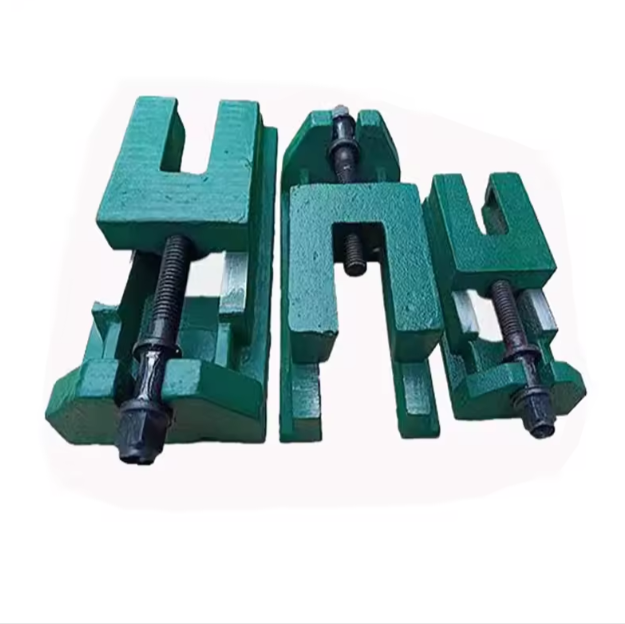
news and information
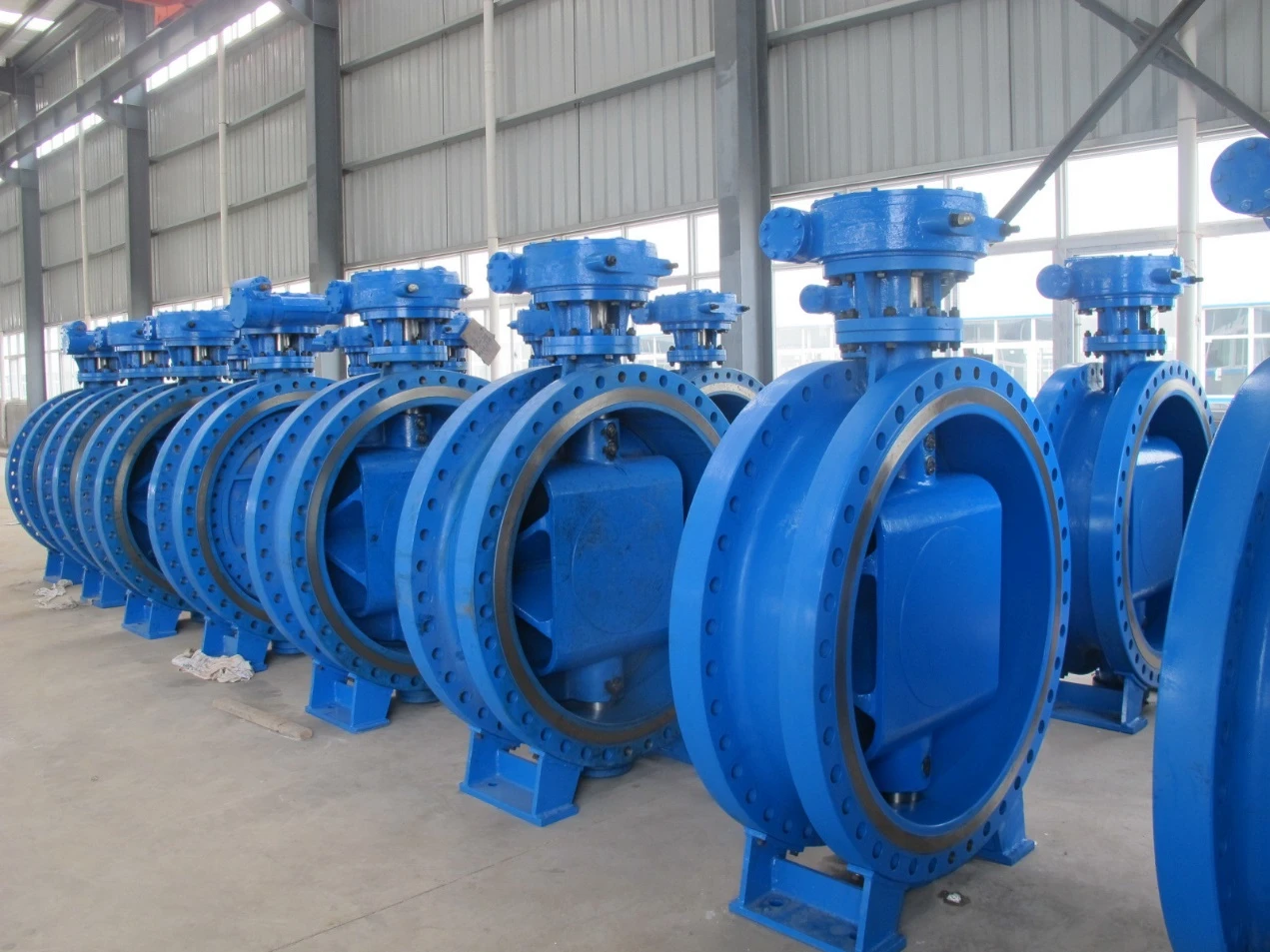
water globe valve
Understanding Water Globe Valves Design, Function, and Applications Water globe valves are essential

Water Pressure Valves - Optimize Your Water System Efficiency
Understanding Water Pressure Valves An Essential Component for Efficient Water Management Water pres
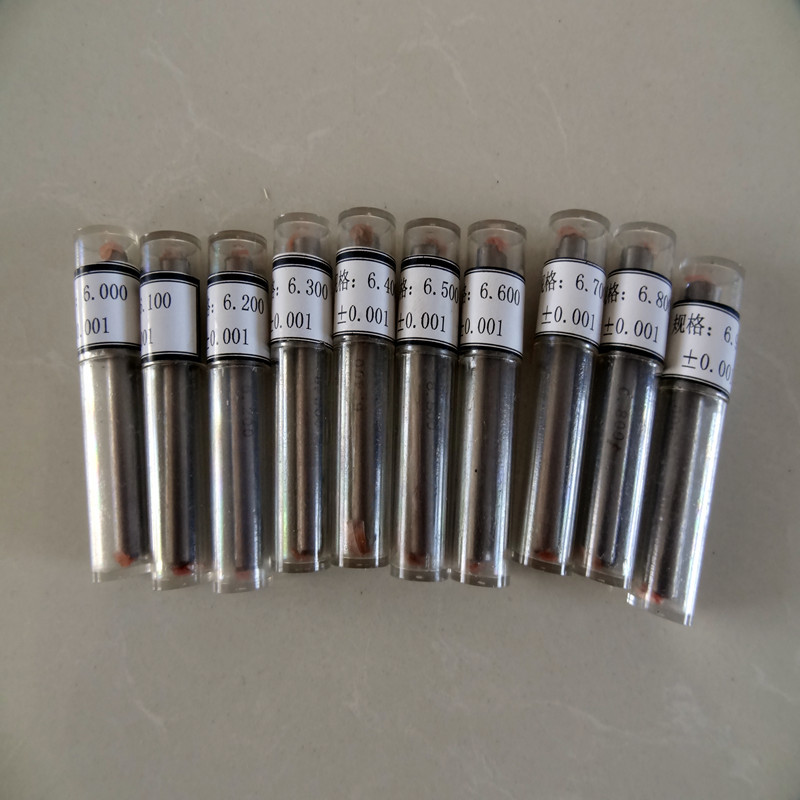
water flow control valve types
The innovative technology behind water control valves has dramatically revolutionized the way indust
 English